


Sustainable by Design: Is Green Building the New Normal?
Sustainability in the Architecture, Engineering, and Construction (AEC) industry has grown from a small movement into a major priority. As climate change becomes more serious and people become more aware of environmental issues, there’s increasing pressure to reduce the environmental impact of buildings and infrastructure. Today, green building is not just a trend, it’s becoming the industry standard.
What is Green Building?
Green building means designing, building, and operating structures in ways that are better for the environment and for people’s health. This includes using less energy and water, choosing sustainable materials, improving indoor air quality, and making the most of the building site.
Why Green Building Makes Sense for Business
- Lower Operating Costs
Energy-efficient buildings save money over time. Features like LED lighting, high-efficiency heating and cooling systems, and smart building controls can reduce utility bills and pay for themselves quickly. - Higher Property Values
Green buildings are more appealing to renters, buyers, and investors. They often have higher resale values and rental rates because they’re built to last and offer long-term savings. - Government Incentives
Many local and state governments offer tax breaks, faster permitting, or other benefits for green-certified projects like LEED, WELL, or ENERGY STAR. - Healthier and More Productive Spaces
Buildings with good air quality, natural lighting, and comfortable temperatures help people feel better and work more effectively. Studies show that these features can improve health and productivity.
Key Strategies for Sustainable Design
- Passive Design
Designing buildings to take advantage of natural light, airflow, and heat helps reduce the use of mechanical systems like heating and air conditioning. - Smart Material Choices
Using recycled, low-emission, or locally sourced materials reduces a building’s carbon footprint and supports sustainable supply chains. - Renewable Energy
Adding solar panels, wind turbines, or geothermal systems helps cut down on fossil fuel use and lowers greenhouse gas emissions. - Smart Building Systems
Technology that monitors and controls lighting, temperature, and water use in real time helps save resources and makes it easier to improve building performance over time.
Common Challenges and How to Overcome Them
Some building owners worry that green buildings cost more or are harder to design and maintain. Others may not know much about green certification systems. These challenges can be addressed through better education, expert guidance from sustainability consultants, and careful planning that looks at the full life-cycle cost, not just the upfront price.
Conclusion
For businesses that want to be industry leaders, green building is no longer optional it’s expected. AEC firms that focus on sustainability are not only doing what’s right for the planet, but also helping owners prepare for a successful future. By including green strategies from the very beginning, we can create healthier, stronger communities for years to come.
Interested in learning more? Connect with us today.


Smart Cities Begin with Smart Infrastructure
As cities grow and technology becomes more central to our daily lives, urban areas are evolving into smart, connected ecosystems. At the core of this transformation is infrastructure: the transportation systems, utilities, energy networks, and public spaces that keep a city running. These systems are becoming ever-smarter using digital tools and real-time data to better meet the needs of the people who live there. The Architecture, Engineering, and Construction (AEC) industry plays a major role in making this future a reality.
What Is a Smart City?
A smart city uses technology and data to improve how it functions aiming to enhance quality of life, increase sustainability, and make city services more efficient. This includes installing sensors, using Internet of Things (IoT) devices, and analyzing data to monitor things like traffic, energy use, public safety, and waste collection. The goal is to create cities that are not only more efficient but also more responsive to the needs of their residents.
How AEC Professionals Support Smart Infrastructure
AEC experts help design, build, and manage the systems that make a city “smart.” Their work involves more than just construction, it requires planning, collaboration, and integrating different technologies into one seamless system.
- Smart Transportation Systems
AEC firms are designing roads with embedded sensors, smart traffic lights, and systems that share real-time traffic information. These upgrades help reduce traffic jams, improve safety, and make public transit work better for everyone. - Modern Utilities and Energy Grids
Engineers are upgrading water, gas, and electric systems with smart meters and leak detection tools. They’re also working to include renewable energy and build microgrids that make power systems more flexible and sustainable. - Smart Buildings and Green Facilities
Smart buildings use technology to control energy use, air quality, and comfort levels. These automated systems utilize operational data to help buildings become more efficient and environmentally friendly. - Digital Infrastructure
Beneath our feet, fiber-optic cables and communications equipment are being installed to support all this technology. These systems act like the nervous system of a smart city, allowing information to move quickly and securely.
Challenges to Building Smart Cities
Even with all these benefits, creating smart infrastructure isn’t easy. There are high initial costs, concerns about data privacy, and challenges connecting different systems so they can work together. Cities also need to update regulations and make long-term plans for maintaining new technologies and adapting to advancements.
A Path Forward
Building a smart city takes teamwork. AEC professionals must collaborate with technology companies, government agencies, and community groups. Public-private partnerships (P3s) and federal funding can help launch and support these large-scale projects.
Conclusion
Smart cities rely on smart infrastructure. As digital tools continue to change how cities function, AEC professionals are in a critical position to lead this change. By utilizing sustainable design, innovative technology, and strong partnerships, they can help create cities that are more livable, efficient, and ready for the future.
Interested in learning more? Connect with us today.
Design-Build is the Way Forward, Here’s Why.
In the demanding world of Architecture, Engineering, and Construction (AEC), working quickly and as a team is critical to business survival and growth. For decades, the design-bid-build method has been the industry standard; but this segmented method of design and construction working separately leads to miscommunication, delays, change orders, and cost overruns.
But there’s a better way: the design-build model. This approach brings all stakeholders together on one team, under one contract, from the very beginning.
What is Design-Build?
Design-build is a method in which a single team handles both the design and construction of a project. Instead of hiring an architect first and then having to on-board a builder later, with the design-build model, both teams work together from day one. This method makes it easier for all personnel to be on the same page, make quick decisions, and work toward the same goals.
Why the Design-Build Model Works
- Accelerated Project Timelines
Because design and construction happen seamlessly, projects can be accomplished much more quickly. Also some tasks that were once sequential can now happen in parallel, further reducing project delivery timelines. - Cost Savings
Having builders involved from day one of a project helps keep costs under control and allows for more accurate cost estimating. It also means fewer change orders, which minimizes unexpected expenses and helps clients make informed decisions. - Better Teamwork
Design-build fosters a team-oriented approach. Architects, engineers, and builders work together from the start, minimizing conflicts and streamlining problem-solving. - Risk Management
With one contract and one point of responsibility, owners face fewer risks. Any issues that arise are handled within the design-build team, reducing finger-pointing and delays. If something goes wrong, the team works together to fix it.
Challenges and Considerations
Despite its many benefits, design-build isn’t perfect for every situation. It works best when there’s trust, experience, and good communication between the team and the owner. Plus, not all jurisdictions and project types are well-suited for design-build delivery.
The Future of Project Delivery
The design-build model continues to gain momentum. According to the Design-Build Institute of America (DBIA), almost half of all non-residential construction projects in the U.S. now use this method. As digital collaboration tools, BIM, and integrated project delivery (IPD) frameworks become more sophisticated, design-build is poised to dominate the future of construction.
Final Thoughts
In today’s fast-moving world, saving time and money while delivering high-quality work is key. Design-build makes this possible by bringing teams together and creating a smooth building process thereby delivering better results. AEC firms that embrace this integrated model will be better positioned to meet the complex demands of modern construction.
Interested in learning more? Connect with us today.

Can AI Actually Help on Construction Sites? Here's What to Know
Artificial Intelligence (AI) is one of the most buzzed-about technologies in the construction world. From safety predictions to robotic equipment, the promises sound impressive, but how much of it is actually happening today? For anyone entering the architecture, engineering, and construction (AEC) industry, it’s important to understand what AI can really do and where its limits still lie.
What AI Is and Isn’t Doing in Construction
At its core, AI is good at analyzing patterns, recognizing trends, and automating routine tasks. On construction sites, this means things like monitoring progress, predicting risks, or helping manage schedules. But AI isn’t a silver bullet. It still needs high-quality data, clear goals, and human supervision to be effective.
Where AI Is Making a Difference
- Predictive Safety Tools
AI systems can study past safety incidents to predict which crews or tasks are most at risk, helping teams take action before accidents happen. - Visual Progress Tracking
Drones and 360° cameras feed visual data into AI models that compare current site conditions to project schedules, flagging delays or errors automatically. - Smarter Scheduling
AI can analyze large amounts of data like crew availability, weather, and material delivery times to improve how projects are sequenced and resourced. - Quality Checks
AI can spot construction defects by analyzing photos or scans and comparing them to the design model to ensure items are built correctly.
How AI in Construction Works
Most AI tools used today rely on supervised learning: a type of machine learning that uses labeled data (like safety reports, time logs, or site photos) to “learn” and make predictions. These tools only work well if the data is accurate, organized, and relevant to the jobsite context.
What’s Holding AI Back?
Despite its potential, AI adoption in construction still faces several challenges:
- Scattered Data
Information often lives in different platforms or formats, making it hard for AI systems to access everything it needs. - Skepticism on the Ground
Many field workers are cautious about using tools they don’t understand or haven’t seen in action. - Cost and Complexity
AI tools can be expensive and may require major changes to how a company works.
Choosing the Right AI Tools
Before investing in AI, firms and future professionals should ask the following questions:
- What specific problem are we solving?
AI works best when applied to a clear, focused challenge. - Is the output easy to understand?
Tools should give insights that users can trust and act on. - What’s the return on investment?
Will the tool actually save time, reduce risk, or improve results? - Can we test it on a small scale?
Piloting a tool on one project is a smart way to learn and build confidence before a full rollout.
People Still Matter
No matter how advanced AI becomes, it won’t replace experienced professionals. It can help analyze data and streamline tasks, but construction still relies on human judgment, leadership, and problem solving. The goal is to provide useful tools to support decision-making, not replace it.
Final Thoughts
AI in construction is no longer science fiction, but it’s also not magic. Used wisely, it can improve safety, efficiency, and decision-making. However, success still depends on combining smart tools with smart people. Knowing when and how to use AI will be a key skill for the next generation of AEC professionals.
Interested in learning more? Connect with us today.
The Budget Barrier: Why Great Designs Fail (and How to Fix It)
Every architecture, engineering, and construction (AEC) project begins with a vision: an ideal outcome in terms of design, function, and user experience. But turning that vision into reality often runs up against the limits of time, money, and resources. Managing this tension between creativity and cost is one of the most important skills a firm can develop.
Mind the Budget Gap
The disconnect between vision and budget usually starts when design teams work in isolation. Without early input from cost estimators, contractors, and builders, resulting designs may be beautiful and ground-breaking, but too expensive to actually build. This can result in major project delays, redesigns, and even missed opportunities.
Aligning Vision with Budget From the Start
- Involve Builders Early
Including contractors and construction professionals in the early design phase helps ground creative ideas in financial and practical realities. This early collaboration reduces risk and ensures fewer changes later on. - Be Transparent with Clients
Open and honest conversations about costs, priorities, and trade-offs help set realistic expectations and avoid misunderstandings as a project progresses. - Use Target Value Design (TVD)
TVD flips the traditional process: instead of designing first and pricing later, teams start with a target budget and design toward it. The goal isn’t just cutting costs, it’s maximizing value within financial limits.
Tools for Informed Decision Making
- Cost Modeling and Benchmarking
Drawing on historical project data and up-to-date pricing tools helps teams estimate costs more accurately and evaluate different design options early in the process. - Value Engineering (VE)
VE isn’t about cheapening a project, it’s about identifying alternatives that deliver similar performance or quality at a lower cost. The focus is on smart substitutions not sacrificing design intent. - Building Information Modeling (BIM)
BIM tools allow teams to create digital models that include detailed information about materials, quantities, and timelines. These insights support better decision making and cost control throughout the project.
Pitfalls to Avoid
- Late Collaboration: Waiting too long to bring in estimators and builders increases the likelihood of budget overruns.
- Lack of Prioritization: Trying to achieve every project goal without considering trade-offs leads to difficult compromises later.
- Reactive Cost Control: Responding to budget problems after they arise is far less effective than planning for them in advance.
Educating the Client
Many clients don’t have deep knowledge of construction pricing, code requirements, or long-term cost factors. By explaining trends like inflation, permitting challenges, or operational costs, project teams can build trust and empower clients to make informed decisions.
Takeaways
Bridging the gap between vision and budget isn’t about lowering expectations, it’s about aligning creativity with constructability. Firms that succeed at this don’t just deliver projects, they build partnerships that help clients realize designs that are both inspiring and achievable.
Interested in learning more? Connect with us today.

Modular Builds, Maximum Impact: The Prefab Advantage
Modular construction, once considered a fringe method, is now gaining serious attention across the AEC industry. As demand grows for faster, more cost-effective, and higher-quality building methods, prefabrication has emerged as a compelling solution. Today’s modular construction goes far beyond temporary structures, it involves highly precise, scalable building components designed for efficiency and performance.
What is Modular Construction?
Modular construction is a process where parts of a building such as entire rooms, structural panels, or mechanical systems are manufactured off-site in a controlled factory setting. These prefabricated modules are then transported to the job site and assembled. This approach allows construction to move faster and with fewer delays while maintaining a high standard of quality and safety.
Major Advantages of Modular Construction
- Faster Project Timelines
Because site work and module production happen at the same time, modular projects can be completed 30–50% faster than traditional builds. - Cost Savings
Factory-based production reduces material waste, improves labor efficiency, and allows for economies of scale, especially for projects with repeated layouts. - High Quality Control
Controlled environments allow for tighter quality standards, consistent inspections, and better precision than what’s typically achievable on active construction sites. - Improved Worker Safety
With less time spent on-site and most labor performed in ergonomically optimized factories, the risk of injury is significantly reduced. - Environmental Benefits
Prefab methods generate less waste, reduce noise and disruption at the job site, and often require fewer deliveries cutting down on transportation emissions.
Best-Fit Applications
Modular construction works particularly well for projects where repetition, speed, and standardization are priorities.
- Healthcare Facilities: Where speed and cleanliness are essential.
- Multifamily Housing: Repeating floor plans can be streamlined by prefab use.
- Hotels and Hospitality: Like multi-family housing, standardized rooms can be built efficiently off-site.
- Remote or Difficult-to-Access Locations: Reduces the need for on-site labor and supply chains.
Challenges to Consider
Despite its advantages, modular construction presents some challenges:
- Design Constraints: Projects must be designed with modular units in mind from the start.
- Transportation Logistics: Large modules must be moved safely and efficiently to the site.
- Local Codes and Regulations: Zoning and permitting laws may not fully support modular practices in some areas.
- Industry Readiness: Contractors and project teams may need training or new partnerships to adapt to modular workflows.
The Role of Technology
Modular construction pairs naturally with digital tools like Building Information Modeling (BIM), digital twin modeling, and VDC. These technologies enable precise planning, improved coordination between teams, and real-time updates during fabrication and assembly. When used together, modular and digital tools can streamline the entire building lifecycle from design to delivery.
Conclusions
Modular construction is not a one-size-fits-all solution, but when used strategically, it delivers clear advantages in speed, cost, and quality. As the construction industry embraces more innovative and sustainable methods, modular building will continue to grow as a valuable approach in the modern AEC toolkit.
Interested in learning more? Connect with us today.

Advantages of Utilizing Multichannel Marketing
Never put all your eggs in one basket. The same holds for marketing. As a matter of fact, employing multichannel marketing is a critical strategy for companies today. Multichannel marketing means using two or more mediums in a coordinated effort to interact with customers and prospects and move them through the sales funnel to fulfill company goals. It’s not a new concept, and the traditional marketing that existed before present-day technologies typically used several coordinated channels to feed a sales funnel.
Today, marketing channels can be divided into three general categories: Digital Channels like a well-designed, managed, and optimized (SEO) website, active social media sites, or email campaigns; Out-Of-Home options like billboards, print ads, and vehicle wraps and Collateral Marketing Materials like brochures, catalogs and one-pagers. The channels should support and feed each other for maximum results.
Why Multichannel Marketing Works
There are several reasons why a multi-pronged approach to marketing has always worked better than an all-eggs-in-one-basket approach. Generally, a company has a wider reach, more opportunities to engage, more effective engagement through targeted content, and more opportunities to collect useful data.
- Amplify Your Reach: Using various channels means you meet potential clients and customers where they are. The more media you use, the wider your marketing reach will be. Some people never read unsolicited emails; others don’t ever read magazines. Some love all things social media, and others avoid all the platforms.
- Reinforce Your Brand to Boost Engagement: The more often someone sees your logo and reads your message, the stronger your brand and the more likely a person will be to step into the sales funnel.
- Customize Messages and Content: By using several marketing channels, you can tailor your message to each audience using different types of content, such as blog posts, videos, and white papers, to appeal to varied audiences.
- More Data Collection Points: A company must collect data to measure and adjust marketing efforts and improve success. A multichannel campaign creates more opportunities to gather information about potential customers and build a more accurate buyer profile.
How to Choose the Channels
Successful companies try as many channels as possible and evaluate them in different combinations to find what works for them. Different channels or marketing options work for different audiences, so considering a company’s target audience and buying persona can help decide what to try. Various combinations of marketing efforts may work for different industries and companies. Reading reliable articles about what marketing works in your industry might help you choose your initial channels. For example, what works for a construction company or architect may not be the best for a retailer or restaurant. Research plus trial, evaluation, and adjustment are what it takes to find your perfect multichannel marketing strategy.
Start with Digital
Channels should include digital options starting with a website and search engine optimization.
Here are most of the digital choices:
- Website: This should be your anchor. A well-designed and informative site should feed the sales funnel.
- SEO (search engine optimization): Be sure your website appears high on search results in organic searches by following the search spider’s preferences.
- Paid Search: In competitive fields, you might want to pay the search engine (i.e. Google) for a spot high on the search engine results pages (SERPs).
- SMS or Short Messaging Service: SMS is text message marketing and it appeals to some buyers. However, it can also annoy some customers.
- Email: Email campaigns are an ideal channel for sending targeted messages to your audience that can then connect them with other media and move them forward in the sales funnel. Email has one of the highest ROIs in marketing today.
- Social media: In service industries, social media might be a lower priority, but all companies need a presence on platforms like Instagram, Facebook, and LinkedIn.
- Chat: One more recent tool for social media sites is live chat and chatbots, where Human or AI-powered software offers immediate customer service.
Out-Of-Home
Forbes defines OOH as “anything in the physical world that can be used as an advertising canvas — from massive billboards to wallscapes to street art.” Other experts also include a few other indoor possibilities like print ads. Essentially, these channels reach people when they are not at home.
Here are a few:
- Billboards and Signs can include lighted signs on a highway, yard signs, or building site signs, all of which build brand recognition. You might also use posters at train stations or airports or even street furniture.
- Vehicle Wraps or Signage, including company vehicles and bus, train, and taxi signage and posters
OOH has a couple of advantages over digital marketing. You can’t turn it off, and in many cases, it has much less competition for the viewer’s attention. OOH also complements digital advertising. For example, a study found consumers are 48% more likely to interact with a digital ad after seeing an OOH ad.
Print Collateral Marketing
Traditional, printed sales and marketing materials remain important in a company’s arsenal. They can be used to market individual services or products and serve to reinforce a brand. This channel includes sales materials like business cards, brochures, catalogs, flyers, white papers, proposals, and testimonials. It also includes imprinted business gifts and giveaways, from printed pens to corporate apparel.
Channels Feeding and Supporting Each Other
Cross-channel marketing should work towards specific goals like moving a customer through a sales funnel towards requesting a quote, making an appointment, or making a purchase or commitment. Connecting the various channels increases exposure and marketing results exponentially. For example, every email should have links to the website. A social media post could also include links or encourage someone to download a white paper or case study that links to a website page. The links can be to the main page, service page, or contact page, depending on the original message and what a reader might need.
Multichannel Marketing Challenges
While the benefits are tremendous, there are a few challenges to multichannel marketing. More channels mean more planning, work, oversight, and evaluation. Using multiple channels can cost more too, but when a company finds the right combination, the investment becomes worth it. While determining ROI from a single marketing effort can be simple, with a multichannel system where all the channels feed each other, income attribution can be difficult. For example, if a customer finds your website from another source, like a print ad or email campaign, but is convinced to click through to the website because of the number of worksite signs they have seen in the city, that makes attribution tricky.
Relying on one or even two marketing channels can severely limit a company’s growth. Each channel has a limited audience. Consumers and potential clients often base decisions on brand recognition, and multichannel marketing increases brand exposure. Whichever channels a company chooses, by regularly evaluating results and making incremental changes, it can perfect its multichannel marketing strategy.
Interested in learning more? Connect with us today.


Importance of Digital Marketing
Digital marketing, the portion of marketing that happens online or via other electronic channels, continues to expand, evolve, and gain importance for all types of businesses. While more traditional marketing like television, radio, print, and others still have their places in a marketing plan, they are less important than they once were. Many often exist primarily to increase brand recognition and support an organization’s digital marketing.
Digital marketing, from websites and social media to email campaigns, delivers more for each dollar spent than other media because they reach audiences where they are. More people turn to the Internet for information and shopping, and more professionals and companies look for potential business connections and partnership opportunities online than ever before.
Results from digital marketing can also be more easily measured and evaluated than some traditional channels. After that evaluation, digital marketing can be changed incrementally to improve the results.
What is Digital Marketing
According to Forbes, “digital marketing is conducted via digital avenues, including social media, websites, search engines, email and text messaging.” Here are seven digital marketing channels:
- Websites: A company’s website should anchor all other digital and traditional advertising.
- Search Engine Optimization: SEO works on a website to make it more interesting to search engines. The goal is for SEO efforts to help your website rank as high as possible on search engine’s results pages.
- Email: Email usually has the highest ROI of all the digital channels. Email messages can be targeted, measured, adjusted, and measured again to increase their effectiveness.
- Texting or SMS: Text messaging through a service like SMS or short message service works better in consumer industries and has the advantage of being outside the internet. Messages go through cell towers to smartphones.
- PPC Advertising: With PPC digital ads through Google, Bing, and others, the advertiser pays every time a person clicks on the ad. These ads help drive traffic to your website.
- Content Marketing: Creating and distributing useful information to a target audience helps promote a company brand, build relationships, and position a company as an expert in an industry. Some examples are podcasts, blogs, newsletters, videos, courses, and informational emails.
- Social Media: Platforms like Instagram, Facebook, & LinkedIn play bigger roles in some industries than others, but even professional services companies need a social media presence. These channels can support branding and help with recruiting.
Why Digital Marketing Works
A company must get its marketing message to as many potential clients or customers as possible to succeed. Digital channels can increase your company’s visibility for less money than other channels. Digital marketing can also be more easily customized to appeal to different target audiences. They can then be evaluated and adjusted to improve results.
Today, companies must compete with many more advertising messages than in the past. Everyone faces more choices daily from more providers than ever, so companies must build a strong brand and be seen as professional experts. Digital marketing can help marketers do both.
Digital marketing also reaches people where they are today. According to the research experts at Statista, “As of January 2023, there were approximately 311 million internet users in the United States. Meanwhile, around 246 million were social media users.”
Advantages of Digital Marketing
- Financial Advantages: Many digital channels cost very little, and the return on investment tends to be much higher than in traditional marketing. For example, email campaigns and posting on social media are both inexpensive or free and can potentially boost profits tremendously.
- Measure Results: Many types of digital marketing automatically measure key performance metrics, like the number of impressions, CTRs, cost per conversion, overall conversion rates, etc.
- Adjust to Improve: Making a small change to an email, text, or social media post is fast and simple, so perfecting a company’s marketing is easier than with more traditional marketing.
- Increase Brand Recognition: People must see your logo and engage with your company repeatedly to build brand recognition and loyalty. There are almost unlimited digital opportunities to generate brand awareness.
- Reach Management: You can use digital channels to reach a specific target audience, a region, or the whole world, depending on your goal.
- Engagement through Customization: Digital marketing lets you create compelling, specific content that will appeal to and be useful to your client or buyer persona or personas.
Successful Digital Marketing Strategies
To create a successful digital marketing strategy, companies should start by deciding on a goal, defining a target market, and identifying its buyer persona. Knowing very specifically what you want to accomplish, what your sales funnel looks like, and how success will be defined will help make the rest of the process much easier. Your buyer or client should also be clearly defined. If, for example, you know clients are typically 20 or 30-somethings, your messaging and channel choices will be different than if clients were 60 or 70-somethings. Education levels, gender, and buying habits can all be considered within the marketing strategy.
Next, choose a few specific channels to try, making sure to coordinate them. Start with a professionally created website and search engine optimization. Then, track, measure, evaluate, and improve. Marketing departments can track and evaluate results from digital campaigns more easily than other marketing. Digital marketing analysis tools continue to improve, and the knowledge gained is critical to constantly improving marketing efforts. Slight changes easily made in many digital media can yield better results. For example, changing a couple of words in an email marketing effort may increase open rates.
Digital marketing will continue to grow in importance over the next decade because Millennials and Gen Z rely heavily on digital media. The new trends and innovations like artificial intelligence and more advanced use of videos will continue to improve Internet users’ experiences. Consequently, a company with a strong online presence and a smart digital marketing strategy is poised to succeed in today’s noisy and competitive marketplace.
Interested in learning more? Connect with us today.

The Importance of SEO
A beautiful website without sufficient traffic doesn’t produce results. SEO, or search engine optimization, is an internet marketing strategy that brings more, better-quality visitors to a website. It uses knowledge about how search engine algorithms work to target organic (unpaid) internet traffic and get more potential customers to your website.
When a potential buyer or client searches online for a commercial or home builder, architect, engineer, or MEP contractor, they typically will only visit and consider companies that appear on the first pages of their search results. Your chances of getting your company to appear on that first or second page can be improved by certain elements and characteristics that search engines evaluate on your website. What search engines prioritize changes, but there are some steps you and your website manager can take to gain attention and get more, good-quality visitors. SEO tools or practices can be divided into Technical (behind the scenes), On-Page, and Off-Page.
Technical SEO Tools
Technical SEO elements happen behind the scenes but are vital for your website’s organic growth. Technical SEO helps search engines find, crawl, index, and understand your website. A first step toward improving your technical SEO is often a performance audit, which will tell you where improvements are needed. Here are two examples of technical elements.
- Mobile Friendly- According to statistics, almost half of the internet usage happens on phones today. Therefore, how a website appears and functions on a smartphone has become more important over the past few years. There are a couple of ways to make your site mobile friendly. You will need a different website version so visitors have a positive experience. For example, having a” responsive design” means the layout responds to the screen type and size used, whether a desktop, tablet, or phone. A “dynamic serving” website has different versions of the website for each device type. The mobile site will have less content, fewer pop-ups, and larger fonts and buttons.
- Fast Load Speed- Whether on a phone or laptop, a page’s loading speed is vital. We all have become frustrated with waiting for a website page to load. Even increasing the load speed by a few seconds can make a huge difference to impatient visitors. Pages that load quickly improve search engine rankings, increase visitor engagement, and reduce your bounce rate (the percentage of visitors who leave your site after viewing a single page.) Load speed is affected by several factors, including what plugins and themes are installed on a site and the size of media files and images on a page.
On-Page SEO
The On-Page SEO elements are all about the content and how it’s organized and presented. Search engines and readers learn about a page through the URL name, meta descriptions, keywords, H1 tags, internal links, etc.
- Title Tags and Meta Descriptions– What a user sees about your company on the search results page often determines if they click through to your website. They see blue, clickable title tags and meta descriptions or brief summaries written to entice visitors. Tags should be concise, descriptive, and hopefully contain some keywords. Below the tag is the meta description, which should accurately represent the webpage’s content.
- Overall Website Appearance– Build a good-looking website with good spacing. Include both text and pictures or graphics. Search engines know internet visitors want websites that are easy and inviting to read. For example, large blocks of small text discourage readers. In comparison, many bolded headlines and sub-headlines, bulleted or numbered lists, and information charts keep visitors engaged. Interesting, high-quality photographs do, too.
- Complete Information– The more detail you include about your company’s history, qualifications, and services, the better search engines like it. A searcher looking for a specific service, like school construction, wants to know if you offer that particular service. If they search for K-12 construction and a website doesn’t list it, it may not come up high on the results. If you want to design home additions, include a description of that experience and ability. Have internal links to help visitors travel around your website to find more information easily.
- Keywords– Include the right keywords and phrases on your site the optimum number of times. Use the words your visitor might input to search for your services often enough but not too often. Keyword loading (using words too often) can steer engines away from your site. Sometimes, choosing industry words that are too common and competitive can make landing on page one of a search more difficult. Expert website builders know how to use resources to do keyword research and determine which words, used how often, will optimize your site.
- Make Changes and Additions Regularly– When visitors come to your website, they like finding new information, so posting new content regularly is important for bringing people back but also for SEO. Each time you add a photo or some news on your site, Google and other search engines notice.
- Whether you add a note about an open position, pictures of a new hire, or an article about an industry trend, new content keeps the site on the active list. In addition, web crawlers are constantly identifying and analyzing new content, and the more often bots visit your site, the easier it is to rank high in searches.
- Making additions on a schedule once a month, for example, also boosts SEO. However, content should be topical and top quality because poorly written posts or inferior graphics can do more harm than good.
Off-Page SEO
Off-page SEO helps search engines know how useful or popular your site is. These tools boost your Page Rank. Links are a large component of the strategy.
- Links– Establish incoming links from and outgoing links to reputable sites. The links must be relevant and the sources reputable. Incoming links imply the source has confidence in your company. If, for example, the EPA links to an article on your website, that tells the search engines something. Similarly, if your website publishes a link to a report published by The New York Times, that could boost the site’s page rank.
A company’s website success depends on how well it is optimized. Search Engine Optimization, SEO, improves a website’s page ranking, brings more traffic, and matches the right visitors to the right websites. With more of the target market visiting a website, a company gains opportunities, which can lead to profitability and success.
Interested in learning more? Connect with us today.
The Importance of Brand Recognition
Developing and promoting your company’s brand is essential to business success. Branding should lead to brand recognition, giving the company a competitive advantage in the market place. When you hear brand, you may think of McDonald’s, Kellogg’s, or Exxon, but companies of all sizes, in all industries need branding and brand recognition.
Branding
We can start by defining branding –how consumers recognize and identify with a particular company through its symbols, colors, and voice. Logos, colors, and typestyles represent a brand, but the information about the company that stands behind those symbols matters most. Branding concerns a company’s identity and differentiation. The characteristics and values your company represents determine identity. Start by asking what you want your company to be known for, whether it’s a long history of success, collaborative practices, or cutting-edge design. What is your company’s narrative, and how is it different from your competition’s? Also, who is your buyer or client persona?
Brand Recognition
Brand recognition is how well consumers identify your company and its message through visual symbols like logos, taglines, color schemes, and packaging, as well as auditory cues like jingles and slogans. It’s about how well the symbols represent a company’s reputation and characteristics. With brand recognition, potential clients need less comparative research when making decisions. The brand works as a short cut for them, because they feel they know the company already.
Design Elements
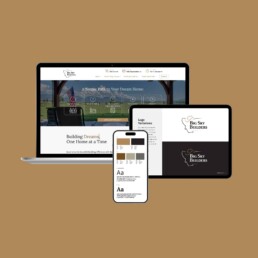
Design matters in branding because the logo, corporate colors, and typography evoke emotions and psychological interpretation in people when they see them. For instance, Crate & Barrel evokes a modern feel, while Restoration Hardware gives a more traditional sense. You would not employ a brightly colored, playful design for a funeral home or sedate colors and a more conventional logo design for a preschool. Some type fonts may be inappropriate for your organization. For example, a tagline in an ornate typeface may work for an antique shop but not a law firm.
Color
Color is one design element with big impact. Social scientists have been studying the psychology of color for centuries, evaluating how different hues in different combinations impact human behavior. Companies choose logo colors carefully to represent their brand. The right color scheme is essential for expressing the organization’s business perspective and approach. Colors can have different connotations in different cultures by different genders, so marketers keep customer demographic targets in mind when choosing.
Typography
Like color, typefaces or fonts can set a tone and evoke emotions. A serif font like Times Roman says tradition, whereas sans serif types like Arial and Helvetica may seem more modern. Some fonts are more easily read in blocks of text. Like with color, social scientists have studied how different types influence people. The lettering within a logo should work well with the tagline font. They don’t need to be the same font but should complement each other. A professional graphic designer is essential in these matters.
Logo Art
The shapes and lines in a logo should represent a company, too. For example, an architect or construction company may choose between a traditional house rendering or a stylized, impressionistic house drawing. A grocer may choose something concrete like an apple or a uniquely stylized company name. The design must be unique enough to be recognized and appropriate for the company’s brand message. Consider the chili pepper used as an apostrophe with the lowercase, simple type used in Chili’s restaurant logo versus the more realistic olive or branch design and script type for Olive Garden restaurants. The first says casual fun, and the second suggests a slightly less casual experience.
Consistency
Building a brand takes repetition and consistency. Building brand recognition means everyone involved with the firm understands and follows a style guide, which includes the logo design, color palate, and typography specifications. All must also understand and follow corporate messaging and tone of voice.
If a team member settles for something close to corporate colors or allows an alternative typeface for a slogan in an ad, either can erode the branding campaign efforts. Many companies develop a single-color version of their design to avoid settling for color substitutions because of the marketing budget. For example, both an all-black logo version and a three-color version are seen often enough to be recognized as symbols of the company.
The brand should be expressed in a consistent voice. Voice is a company’s communication style. You might even think of it as personality. Voice includes word choice, sentence structure, and even inflection. One company may use the word employees while another prefers team members. Some say customers, and others say clients. Writing can be very formal or relaxed and informal. Identifying and analyzing a customer’s or client’s persona helps a company align the brand’s identity with the beliefs and needs of its target market.
Behind the Brand
When you see a McDonald’s sign, you know exactly what to expect. You know what the atmosphere in the restaurant will be and exactly how the food will look and taste. All companies must back their logo and other identity symbols with a known set of characteristics. This includes a narrative, the voice or communication style, market specialties, relationship with the community it serves, reputation for quality or innovation, etc.
Why Brand Recognition Matters
As for why it’s important, let’s start with consumers and business decision-makers trusting what and who they know. A prospect can research various businesses and compare the information they gather, but if your branding has done its job, people will feel they know and trust your company with less research.
If you travel and need a hotel, you rely on brand recognition to choose where to stay. The same is true if you decide to have a house built and need an architect or home builder. The more often you have seen a builder’s logo at building sites around town or at community events, the more drawn to the company you will be and the more likely you will be to consider engaging it.
Branding also helps bring the right parties together. A builder looking for a cutting-edge architect might be drawn to a firm with a very contemporary and edgy logo in unusual colors and a reputation for unique design. Someone looking for a very traditional home may find a more sedate and conservative logo more trustworthy, especially if it’s backed by a long history of designing classic homes.
So, branding is about how you identify your company and brand recognition is about how well your branding works. To build recognition, a company needs effective symbols and messages that are consistent and seen repeatedly by the right audience.