

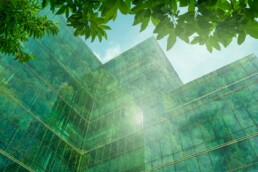
Sustainable by Design: Is Green Building the New Normal?
Sustainability in the Architecture, Engineering, and Construction (AEC) industry has grown from a small movement into a major priority. As climate change becomes more serious and people become more aware of environmental issues, there’s increasing pressure to reduce the environmental impact of buildings and infrastructure. Today, green building is not just a trend, it’s becoming the industry standard.
What is Green Building?
Green building means designing, building, and operating structures in ways that are better for the environment and for people’s health. This includes using less energy and water, choosing sustainable materials, improving indoor air quality, and making the most of the building site.
Why Green Building Makes Sense for Business
- Lower Operating Costs
Energy-efficient buildings save money over time. Features like LED lighting, high-efficiency heating and cooling systems, and smart building controls can reduce utility bills and pay for themselves quickly. - Higher Property Values
Green buildings are more appealing to renters, buyers, and investors. They often have higher resale values and rental rates because they’re built to last and offer long-term savings. - Government Incentives
Many local and state governments offer tax breaks, faster permitting, or other benefits for green-certified projects like LEED, WELL, or ENERGY STAR. - Healthier and More Productive Spaces
Buildings with good air quality, natural lighting, and comfortable temperatures help people feel better and work more effectively. Studies show that these features can improve health and productivity.
Key Strategies for Sustainable Design
- Passive Design
Designing buildings to take advantage of natural light, airflow, and heat helps reduce the use of mechanical systems like heating and air conditioning. - Smart Material Choices
Using recycled, low-emission, or locally sourced materials reduces a building’s carbon footprint and supports sustainable supply chains. - Renewable Energy
Adding solar panels, wind turbines, or geothermal systems helps cut down on fossil fuel use and lowers greenhouse gas emissions. - Smart Building Systems
Technology that monitors and controls lighting, temperature, and water use in real time helps save resources and makes it easier to improve building performance over time.
Common Challenges and How to Overcome Them
Some building owners worry that green buildings cost more or are harder to design and maintain. Others may not know much about green certification systems. These challenges can be addressed through better education, expert guidance from sustainability consultants, and careful planning that looks at the full life-cycle cost, not just the upfront price.
Conclusion
For businesses that want to be industry leaders, green building is no longer optional it’s expected. AEC firms that focus on sustainability are not only doing what’s right for the planet, but also helping owners prepare for a successful future. By including green strategies from the very beginning, we can create healthier, stronger communities for years to come.
